
The latest news on global issues
Provided by AGP
Flood Zone Designations Shape Early Decisions in Construction Planning
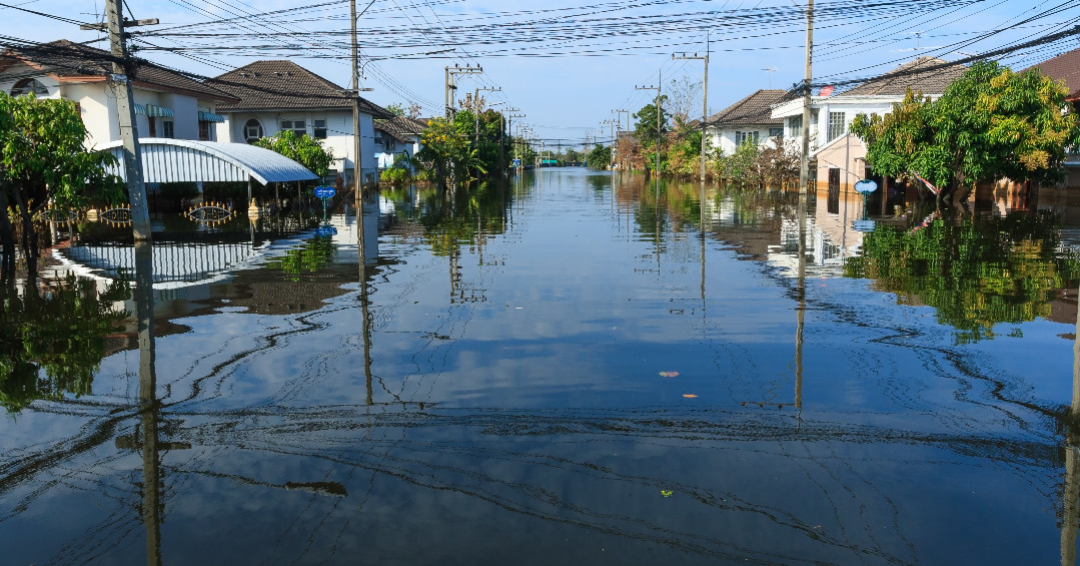

Flood zone information should be reviewed early in the planning process because it can affect nearly every major construction decision”
SLIDELL, LA, UNITED STATES, May 14, 2026 /EINPresswire.com/ -- Flood zone designations play a significant role in construction planning, especially in coastal and low-lying regions where water movement, drainage patterns, elevation requirements, and storm exposure can affect the design and long-term use of a structure. For property owners, builders, designers, engineers, and local officials, flood zone information helps guide decisions long before land clearing, foundation work, or framing begins.— Elwin Ordoyne
Flood zones are geographic areas identified according to flood risk. These designations are commonly used during permitting, insurance evaluation, site planning, and building design. While a flood zone does not automatically prevent construction, it can influence how a project is planned, what documents are required, how high a structure may need to be elevated, and which construction methods may be appropriate for the site.
In areas such as Southeast Louisiana, flood zone awareness is a practical part of responsible construction planning. Soil conditions, nearby waterways, stormwater runoff, drainage infrastructure, and historical flood activity can all affect how a building site is evaluated. A parcel that appears suitable at first glance may require additional review once elevation data, base flood elevation, drainage flow, and local building requirements are considered.
“Flood zone information should be reviewed early in the planning process because it can affect nearly every major construction decision,” said Elwin Ordoyne, Vice President of E.C.O. Builders Inc. in Slidell, Louisiana. “Elevation, foundation design, drainage, access, permitting, and project budgeting can all be influenced by the flood designation assigned to a property.”
One of the first ways flood zones affect construction planning is through elevation requirements. In many flood-prone areas, structures may need to be elevated above a certain height to reduce flood risk and comply with applicable regulations. This can affect foundation type, entry design, stairs, ramps, garage placement, utility location, and overall building appearance.
Elevation planning can also affect cost and scheduling. Raised foundations, pilings, additional fill, engineered drainage features, and utility adjustments may require more coordination than a standard slab-on-grade approach. When these details are identified early, project planning can account for required design work, inspections, materials, and permitting steps.
Foundation design is another major consideration. Flood zone conditions may influence whether a project uses pilings, piers, stem walls, elevated slabs, or other foundation systems. Soil stability, water table levels, expected flood depth, and local engineering standards can all affect the final approach. The foundation must support the structure while also addressing the conditions of the site.
Drainage planning is also closely connected to flood zone designation. Construction activity can alter how water moves across a property. Site grading, driveway placement, landscaping, retention areas, swales, culverts, and drainage tie-ins may all need review. A construction plan that fails to account for water movement may create problems for the structure, neighboring properties, or surrounding infrastructure.
Flood zones can also affect the placement of mechanical, electrical, and plumbing systems. In many cases, equipment such as air conditioning units, water heaters, electrical panels, and generators may need to be elevated or placed in protected locations. These decisions can influence layout, accessibility, maintenance, and design coordination.
Permitting is another area where flood zone information becomes important. Local building departments may require elevation certificates, site plans, drainage details, engineering documentation, or specific construction notes before approvals are issued. Missing or incomplete flood-related documentation can delay a project, especially when additional review is needed.
Insurance considerations may also influence construction planning. Flood zone designation can affect flood insurance requirements and premiums. While insurance decisions are separate from design work, construction choices such as elevation, enclosure design, foundation type, and equipment placement can sometimes influence future insurance evaluations. For this reason, property owners often review flood-related construction details with insurance professionals, surveyors, and design teams during early planning.
Flood zone planning is not limited to new construction. Additions, renovations, repairs, and substantial improvements may also trigger flood-related requirements. A renovation that appears simple may need additional review if the structure is located in a regulated flood area. This is especially relevant when structural work, major repairs, or improvements reach thresholds established by local rules.
Access to the property can also be affected. During heavy rain or storm events, roads, driveways, and entry points may flood even when the structure itself remains elevated. Construction planning may consider driveway height, site access, parking areas, walkways, and emergency access. These details can affect everyday use as well as storm-related resilience.
In coastal and flood-prone communities, thoughtful planning can reduce future complications. Reviewing flood maps, elevation data, survey information, local ordinances, drainage conditions, and engineering recommendations creates a clearer understanding of what a site requires. This process allows construction decisions to be based on site conditions rather than assumptions.
Flood zone designation is only one part of construction planning, but it is an influential part. It affects design, budgeting, permitting, scheduling, site preparation, foundation work, drainage, utilities, and long-term property use. Early attention to these details can help create a more organized construction process and reduce avoidable surprises during permitting or construction.
As development continues in areas where water management remains an ongoing concern, flood zone awareness remains an important part of building responsibly. Construction planning begins with understanding the land, and flood zone information provides one of the key pieces of that understanding.
Morgan Thomas
Rhino Digital, LLC
+1 504-875-5036
email us here
Visit us on social media:
Facebook
Legal Disclaimer:
EIN Presswire provides this news content "as is" without warranty of any kind. We do not accept any responsibility or liability for the accuracy, content, images, videos, licenses, completeness, legality, or reliability of the information contained in this article. If you have any complaints or copyright issues related to this article, kindly contact the author above.
